

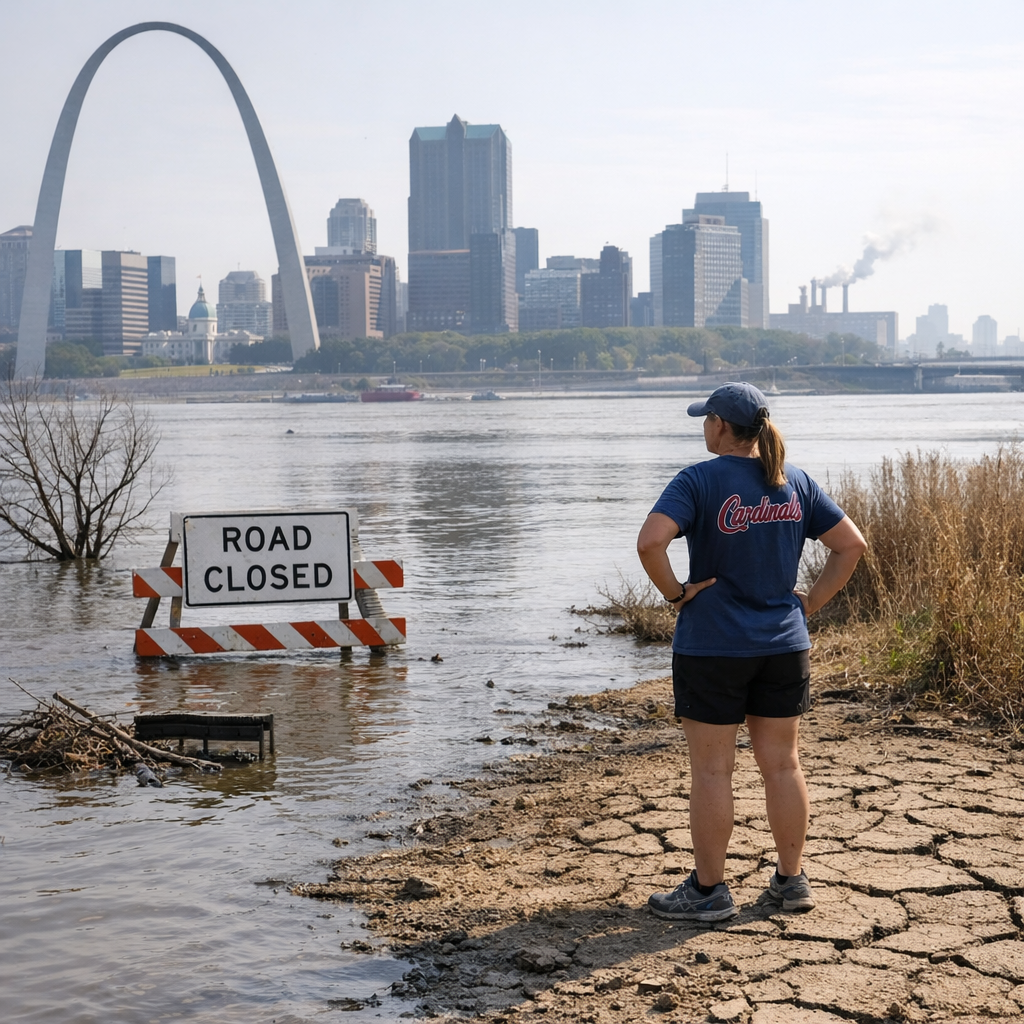
Climate change is increasingly affecting communities worldwide, and St. Louis is no exception. Understanding these impacts is crucial for developing effective strategies to mitigate risks and enhance resilience.
Rising Temperatures
St. Louis has experienced a significant increase in average temperatures. Over the past few decades, the city has seen a rise of approximately 4.4°F. This warming trend contributes to more frequent and intense heatwaves, posing health risks, especially to vulnerable populations.
Increased Precipitation and Flooding
Annual precipitation in St. Louis has increased by about 8.7 inches. This uptick leads to heavier rainfall events, elevating the risk of flooding. The city’s location at the confluence of major rivers makes it particularly susceptible to such events, impacting infrastructure and communities.
Urban Heat Island Effect
The urban heat island effect exacerbates temperature increases in St. Louis. Areas with dense development and limited green spaces absorb and retain more heat, leading to higher temperatures compared to surrounding rural areas. This effect intensifies during heatwaves, increasing energy consumption and health risks.
City Initiatives and Adaptation Strategies
Recognizing these challenges, St. Louis has implemented several initiatives:
- Climate Action & Adaptation Plan: This comprehensive plan outlines strategies to reduce greenhouse gas emissions and adapt to climate impacts, focusing on sectors like energy, transportation, and waste management.
- Urban Ecology Program: Aimed at enhancing green spaces, this program promotes urban forestry and community gardens to mitigate the urban heat island effect and improve air quality.
- Floodplain Management: The city is investing in infrastructure improvements and land-use planning to reduce flood risks, including the development of green infrastructure to manage stormwater.
Community Engagement
Community involvement is vital in addressing climate change. Residents are encouraged to participate in local sustainability programs, adopt energy-efficient practices, and support policies aimed at reducing emissions and enhancing resilience.
By understanding the specific impacts of climate change in St. Louis and actively participating in mitigation and adaptation efforts, the community can work towards a more sustainable and resilient future.