

By Samantha Jones
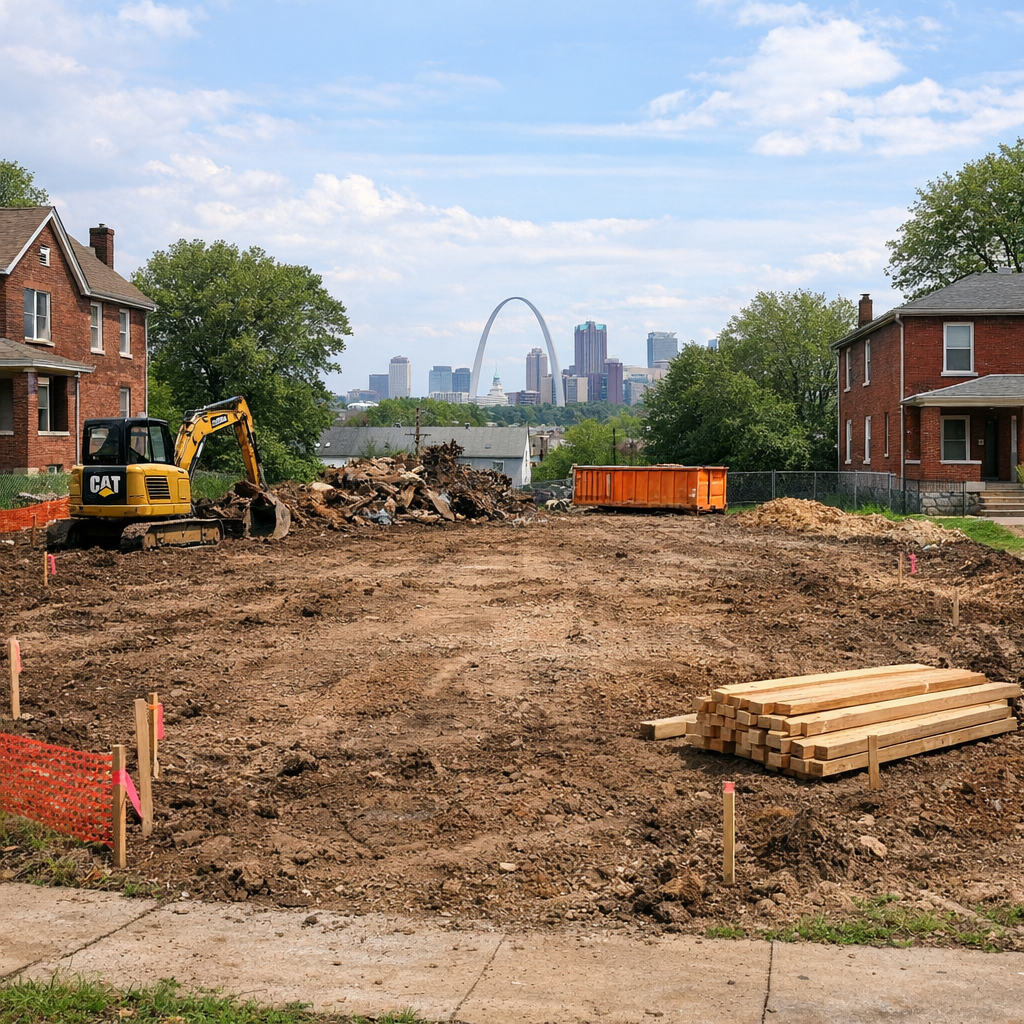
In many St. Louis neighborhoods, vacant lots aren’t just eyesores—they’re signs of lost opportunities. But through new strategies, grants, and policies, the City is working to reduce vacancy and strengthen community fabric while promoting sustainable homeownership.
Understanding the Vacancy Challenge
St. Louis has long faced the issue of vacant properties—lots or houses sitting empty, deteriorating, or unused. These properties can contribute to safety risks, lower property values, and limit investment in surrounding areas.
Recognizing this, the Community Development Administration (CDA), together with partners such as neighborhood associations and nonprofit developers, commissioned a Ten-Year Strategy to Reduce Vacancy. The roadmap outlines data-informed approaches to identify priority areas, properties, and resources. CDA also awarded millions in development support to build or renovate housing units on formerly vacant blocks, especially in neighborhoods impacted by natural disasters.
Tools in Play: Grants and Incentives
One major lever has been grant programs. For example, the CDA’s funding supports groups like CF Vatterott in building homes in the West End using vacant parcels. These developments not only help bring down vacancy rates, but also increase local homeownership, which tends to promote more stable, engaged communities.
Another tool is the Prop S Stormwater Project, which is not solely focused on housing but reflects how infrastructure investments are being designed to serve multiple neighborhood goals—improving drainage, increasing green space, and making vacant land more usable or safer.
Community Involvement & Long-Term Outcomes
Planning isn’t just something done in City Hall. Local residents are engaged through workshops, neighborhood planning efforts, and by helping decide which areas receive focused investment. These kinds of participatory processes help ensure that redevelopment meets local needs and doesn’t lead to displacement.
Over time, stabilized vacant properties—whether through new homes, community gardens, or green space—can make a real difference. Homeownership tends to lead to more predictable maintenance; vacant lots flip from being liabilities into assets. When that happens across across blocks and neighborhoods, benefits amplify: reduced crime, more stable tax bases, and a stronger sense of place.
What Residents Should Know
- If you own—or know of—a vacant lot, let your neighborhood association or the CDA know. Some programs offer purchase or rehabilitation support.
- Keep an eye out for HOME-ARP or Vacant Lot Fund NOFAs: these grant opportunities help connect local nonprofits and individuals with financial and technical assistance.
- Attend upcoming public meetings on neighborhood plans or infrastructure projects; community input often influences which blocks are prioritized.
Vacant lots don’t have to be a permanent part of the landscape. The City’s coordinated efforts are poised to turn spaces of neglect into foundations for stronger neighborhoods and lasting homeownership—if efforts keep focusing on equity, accountability, and local investment.