

St. Louis is grappling with significant environmental challenges that disproportionately affect its Black communities. A recent report from Washington University’s Interdisciplinary Environmental Clinic highlights persistent hazards such as childhood lead poisoning, air pollution, and illegal dumping in these neighborhoods.
Childhood Lead Poisoning
The report indicates that lead poisoning rates have increased over the years in majority-Black ZIP codes compared to majority-white ZIP codes. This trend is concerning, as lead exposure can have severe health impacts on children. To combat this issue, the report suggests that city officials gather extensive data and release biennial reports on areas with the highest childhood lead poisoning risks. Additionally, providing free or subsidized drinking water filters to low-income families with young children is recommended.
Air Pollution and Health Disparities
Air quality remains a pressing concern, with Black St. Louisans, especially children, experiencing worse asthma outcomes than their white counterparts. High levels of air pollution, limited access to adequate healthcare, and aging housing stock contribute to these disparities. The report recommends that all school nurses in Missouri complete comprehensive asthma training courses and that the city invests in the federal government’s Air Quality Flag Program to address these issues.
Illegal Dumping and Vacancy
Illegal dumping is another significant problem, with predominantly Black neighborhoods reporting the majority of complaints. In 2021, there were 11,336 dumping complaints, and another 10,072 in 2023. To mitigate this issue, the report suggests that city officials adopt programs similar to Philadelphia’s “litter cabinet” and New Jersey’s Clean Communities programming. Beautifying vacant lots is also recommended as a strategy to reduce illegal dumping.
Community Efforts and Recommendations
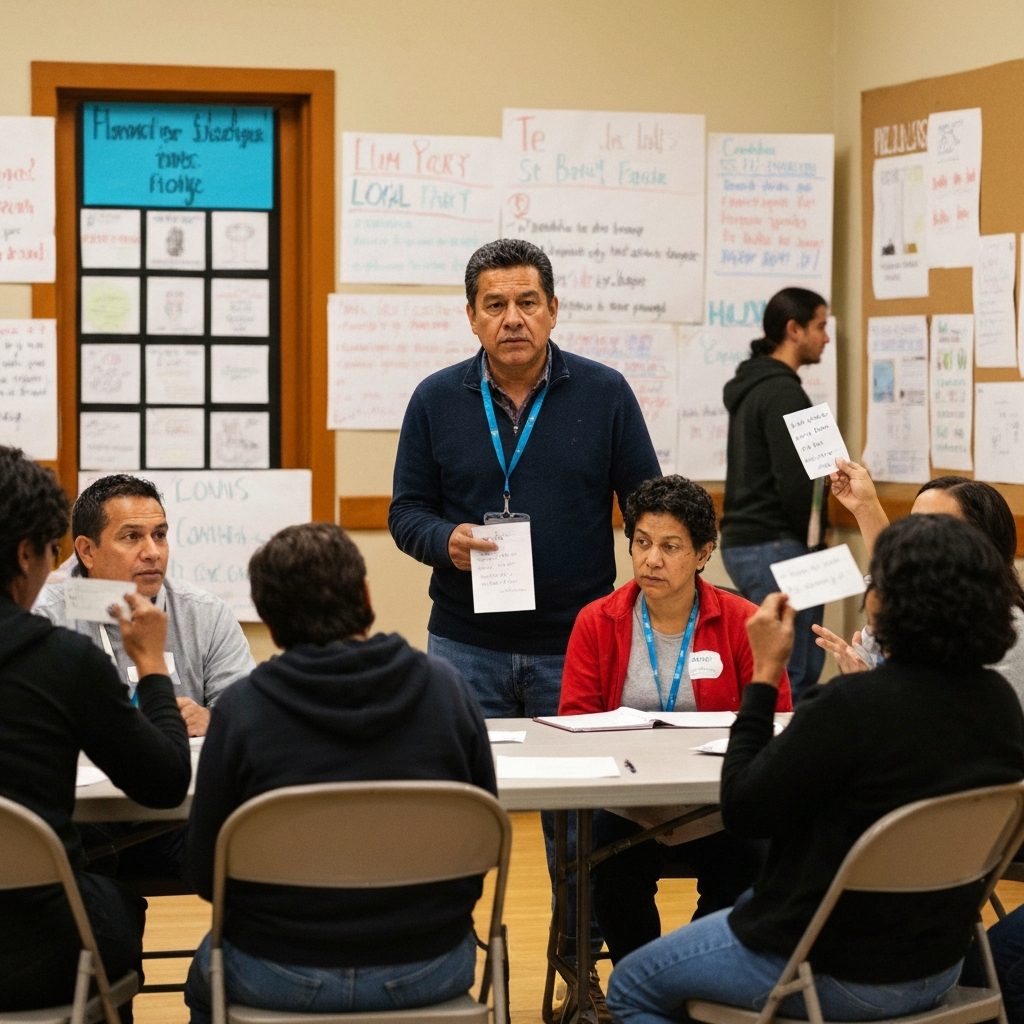
Community organizations are actively working to address these environmental challenges. For instance, Metropolitan Congregations United has been monitoring St. Louis air quality to relay key information to organizations and leaders in the area. However, tackling these issues requires substantial resources from federal and local governments. The report emphasizes the need for a concerted effort to deal with vacancy, as it has a downstream impact on other issues like illegal dumping and criminal activity.
Addressing these environmental challenges is crucial for improving the health and well-being of all St. Louis residents. Collaborative efforts between community organizations, city officials, and residents are essential to create a healthier and more equitable environment for everyone.